 Himawari Dental Clinic



 Missing teeth
When You Lose a Tooth
Dentures, bridges and implants
Which way is best
depends on your mouth
When a tooth is lost, we talk with you about the treatment (a denture, a bridge or an implant) after examining your mouth.
Here is what each treatment involves and how it goes.For treatment not covered by health insurance, we listthe typical cost, length, number of visits and main risks.
 General dentistry
Cavities, gum disease and other concerns
Teeth that feel sensitive, a tooth that hurts when you bite, gums that bleed. Even if you don’t know the name of the treatment, start by telling us what is bothering you.
Along with treating cavities and gum disease, adjusting dentures and removing wisdom teeth, we also see patients about mouth ulcers and bad breath.
When we treat a cavity, we remove only the decayed part and keep as much healthy tooth as we can. Before deciding to remove a nerve or take out a tooth, we explain why.
 Prevention
Regular check-ups and tartar removal
Professional teeth cleaning is done by a dental hygienist. We remove plaque and tartar along the gumline, show you the spots that are easy to miss, and share tips for brushing at home.
How often to come depends on the condition of your mouth, so we talk it over at each check-up.
 Children
A first visit to the dentist
Our dentist and staff, who are used to seeing children, talk with your child as they go. If your child is scared, we may make it a day just for sitting in the dental chair.
Feel free to ask us about finishing brushing or thumb-sucking. We also hold a cavity prevention class for expecting and new parents (booking required).
 Orthodontics
Tooth alignment and bite
Orthodontic treatment is provided by the dentist in charge of orthodontics. There are two phases: Phase 1, started in childhood to suit the growth of the jaw, and Phase 2, started once all the adult (permanent) teeth are in.
We start with an orthodontic consultation (about 30 minutes, booking required), where we talk about the current alignment of the teeth and roughly when to begin.
Not covered by health insurance (self-pay)
Missing teethDentures, bridges and implants
Which way is best
depends on your mouth
When a tooth is lost, we talk with you about the treatment (a denture, a bridge or an implant) after examining your mouth.
 Dentures
 that don’t fit or that hurt
Bring your denture,
even if it doesn’t fit
It hurts when you bite, it moves when you talk, it comes out easily. Tell us what troubles you about your current denture, and when you notice it. Sometimes an adjustment or repair helps before a new one is needed.
When you need a new denture, we show you dentures covered by health insurance and ones that are not, and explain the differences and costs before you choose.
Not covered by health insurance (self-pay)
 Oral surgery
Wisdom teeth, jaw pain and lumps in the mouth
Wisdom teeth
and jaw pain
We see patients about removing wisdom teeth, jaw pain, lumps in the mouth and similar problems. If you need larger equipment or a hospital stay, we write you a referral letter to a hospital.
 Cosmetic
Crowns for front teeth, inlays for back teeth
White materials come
in several kinds
Crowns for front teeth and inlays for back teeth can be made in white materials. We set out the differences between materials covered by health insurance and white materials that are not, side by side.
Not covered by health insurance (self-pay)
 Whitening
Home whitening
Whiter, little by little,
at home
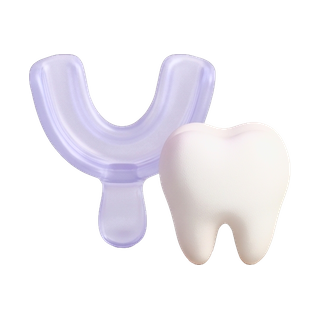
We make trays shaped to fit your teeth. You put the whitening gel in the trays and wear them at home. You can start with just the upper or lower teeth.
Whitening does not suit every tooth, so we examine your mouth first.
Not covered by health insurance (self-pay)